
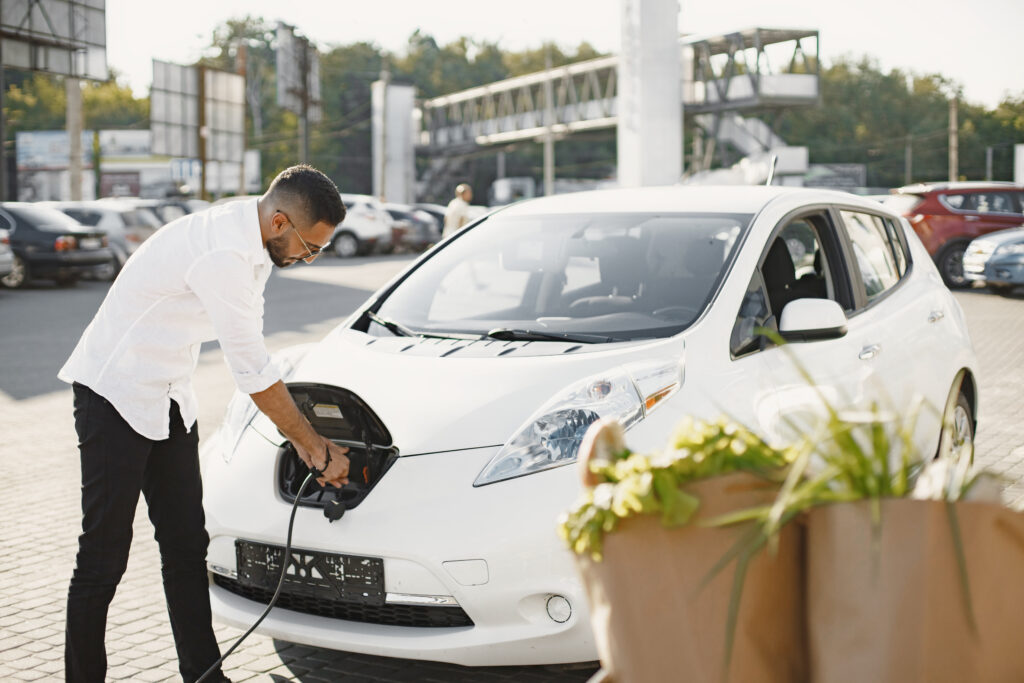
Electric vehicles (EVs) and hybrids are no longer rare sights on Ohio roads. From compact hybrids in Dayton to Teslas cruising through Miamisburg, more drivers are choosing these vehicles for their fuel efficiency, environmental benefits, and cutting-edge technology. But while the cars may be different under the hood, many Ohio drivers have important questions about insurance.
How does insuring an EV differ from a gas car in Ohio? Will my rates go up if I own a Tesla? Does my home insurance cover my EV charging station? These are valid concerns that every driver should consider before making the switch.
This article breaks down the key factors that influence electric vehicle insurance rates in Ohio, coverage needs for EV owners, and what makes hybrid policies unique.
Why Electric Vehicle Insurance Rates Differ in Ohio
Insurance for EVs can be higher than for gas-powered cars. Repair costs, parts availability, and advanced technology play major roles in determining premiums.
- Repair Costs and Technology
EVs often use specialized parts, from lithium-ion batteries to advanced sensors. Repairs require skilled technicians, which can increase claim costs. For this reason, “electric vehicle insurance rates in Ohio” may be slightly higher compared to traditional vehicles. - Vehicle Value
Many EVs and hybrids have higher sticker prices than comparable gas-powered cars. Insurers calculate replacement costs into premiums, which means rates may reflect the higher value. - Safety Benefits
On the positive side, many EVs come with advanced safety features that may qualify for discounts. Hybrids, in particular, are often seen as lower-risk vehicles due to their widespread use and proven track records.
Do Hybrid Cars Have Cheaper Insurance in Dayton?
Drivers frequently ask, “Do hybrid cars have cheaper insurance in Dayton Ohio?” The answer depends on the specific model, driver history, and coverage level. In general, hybrids tend to cost slightly less to insure than EVs because they use both gasoline and electric systems, making repairs somewhat less specialized.
However, hybrids may still carry higher repair costs than standard vehicles, especially for battery-related issues. The exact premium difference varies by insurer and vehicle type.
Insurance Considerations for EV Charging Stations at Home
Many new EV owners also install charging stations at home. A common question is, “Does my home insurance cover my EV charging station?”
- Coverage Under Standard Home Policies
Most home insurance policies cover permanently installed equipment, which often includes charging stations. If the station is damaged in a covered event, such as a fire or storm, it may be protected. - Special Considerations
It is important to check whether your policy has limits or exclusions. Searching for “insurance considerations for EV charging stations home” reveals that some insurers recommend adding extra coverage for higher-value installations. - Liability Risks
If your charging station causes damage, like an electrical fire, your homeowners liability coverage may help. However, confirming the details with your insurance provider is essential.
Battery Damage and Auto Insurance in Ohio
EV batteries are one of the most expensive components in the vehicle. Drivers often ask, “How does Ohio auto insurance handle battery damage EV?”
- Collision and Comprehensive Coverage
Battery damage caused by a crash or external event (such as a tree falling on the car) is typically covered under collision or comprehensive insurance. - Exclusions
Normal wear and tear or gradual battery degradation is not covered by insurance. These issues are usually addressed through manufacturer warranties. - Replacement Costs
Because batteries can cost thousands of dollars, claims involving EV batteries may drive up premiums.
Will Insurance Go Up for Tesla Owners in Miamisburg?
Another common concern is, “Will my insurance go up if I own a Tesla / EV in Miamisburg?” Teslas often carry higher premiums because of their advanced technology, high repair costs, and luxury status. However, they also come equipped with industry-leading safety features that may help offset costs.
Ultimately, rates depend on your driving history, coverage options, and insurer. Working with a local independent agency gives you the advantage of comparing multiple providers to find the best value.
Extra Coverage EV Owners May Need in Ohio
Owning an EV or hybrid may require additional protections beyond standard policies. Many drivers ask, “What extra coverage do EV owners need in Ohio?” Here are some to consider:
- Gap Insurance
Because EVs can depreciate quickly, gap coverage helps cover the difference between the car’s value and the loan balance if the vehicle is totaled. - Roadside Assistance
Running out of charge can be inconvenient. Some insurers offer roadside coverage specific to EVs, including charging support. - Equipment Coverage
If you invest in specialized home charging equipment, consider endorsements to cover it fully.
As more Ohio drivers embrace EVs and hybrids, understanding insurance differences becomes increasingly important. From higher repair costs to special coverage needs, EV and hybrid insurance requires careful planning.
Whether you are considering a Tesla in Miamisburg, a hybrid in Dayton, or adding a home charging station, Bucher Insurance can help you navigate the details. Our team specializes in tailoring coverage for your unique vehicle and lifestyle.
Contact us today to review your options and make sure your EV or hybrid is fully protected.